Technical SEO Guide
Best SEO Audit Tools for Small Businesses
A practical guide to evaluating Semrush, Ahrefs, and Ubersuggest for technical SEO audits, crawl issues, prioritization, and reporting.
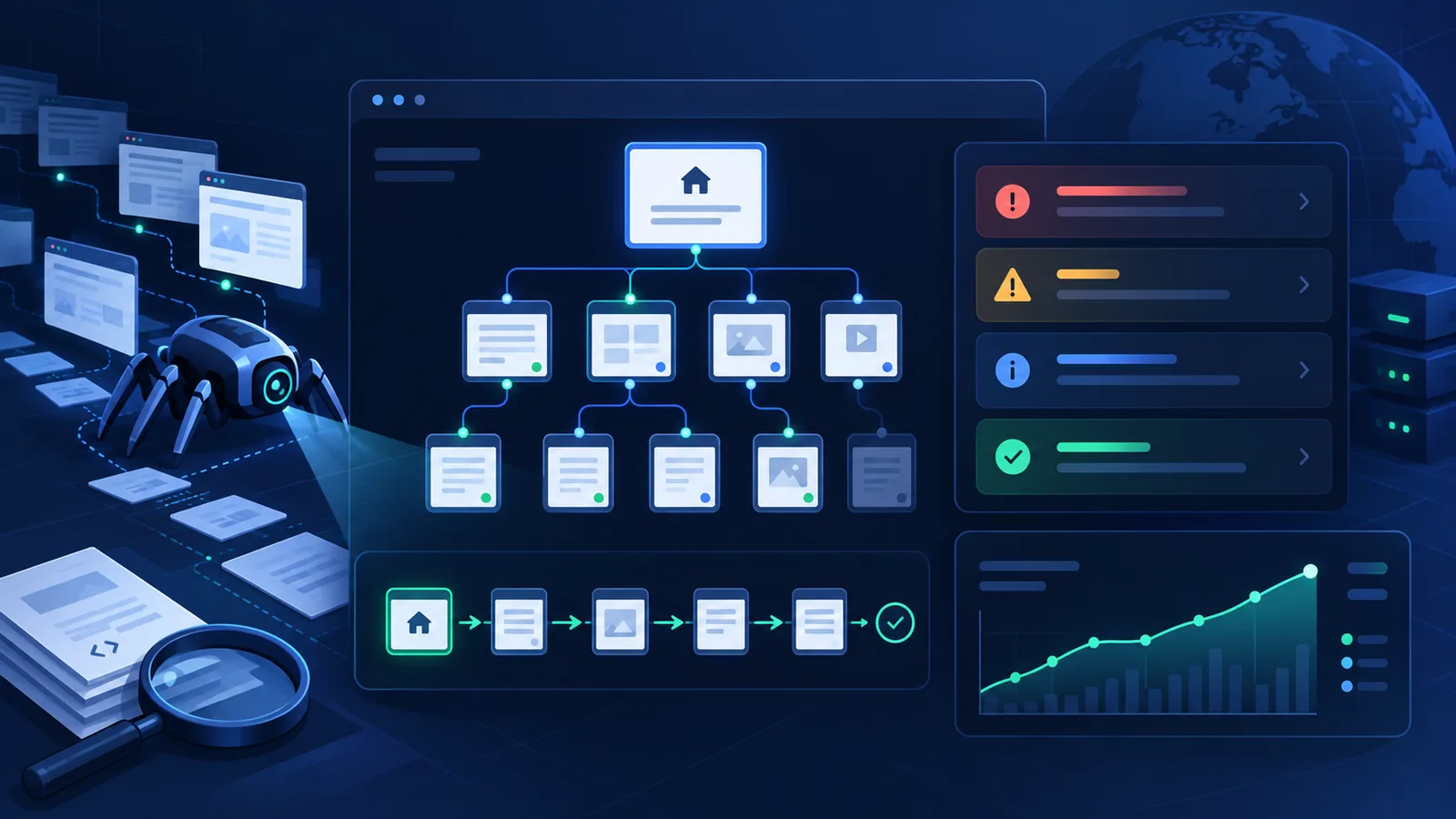
An SEO audit tool can find issues, but it cannot decide which fixes matter most for your business. The best fit is the one that helps your team move from a crawl report to a clear, prioritized action list.
What to look for in an audit workflow
Start with crawl scope and issue prioritization. Confirm that the tool can crawl the domain, subdomain, or section you need; explain affected URLs; separate critical problems from lower-priority observations; and help you verify changes after implementation. A health score is only a summary, not a business outcome.
Tool comparison
| Tool | Audit workflow | Best question to test |
|---|---|---|
| Semrush | Configurable Site Audit projects with crawl scope and issue reporting | Can the team turn findings into a recurring technical backlog? |
| Ahrefs | Site Audit reports with filters for pages and links | Can you isolate the affected URLs and investigate efficiently? |
| Ubersuggest | Site audits, issue reports, recommendations, and ongoing project tools | Does the simpler presentation create actionable work for a small team? |
Semrush for technical auditing
Semrush documents Site Audit setup for a domain, subdomain, or subfolder. That flexibility matters for businesses with separate product, help, or blog sections. Review the initial crawl settings, issue definitions, scheduled workflow, and reporting needs before relying on it.
Ahrefs for technical auditing
Ahrefs Site Audit includes issue reports and filtering in Page Explorer and Link Explorer. This can be helpful when a crawl exposes many URLs and the technical owner needs to narrow the investigation. Test whether its reports fit the handoff between SEO, developer, and content teams.
Ubersuggest for technical auditing
Ubersuggest describes site audits that surface SEO issues, site-health information, and recommendations. It can be an approachable option for a business that needs to begin monitoring technical basics, provided the crawl capacity and reporting workflow match the site.
A small-business audit routine
Run the audit on a recurring schedule appropriate to how often the site changes. Focus first on pages that support revenue, lead generation, or core customer questions. For each issue, record the affected URLs, likely impact, owner, action, and validation date. Pair the crawl with Google Search Console so you can check indexing and Google’s view of important URLs.
Final considerations
Do not buy an audit tool to chase a perfect score. Buy it when it helps you identify, prioritize, assign, and verify meaningful technical work. Current products and pricing should be checked with Semrush, Ahrefs, and Ubersuggest.